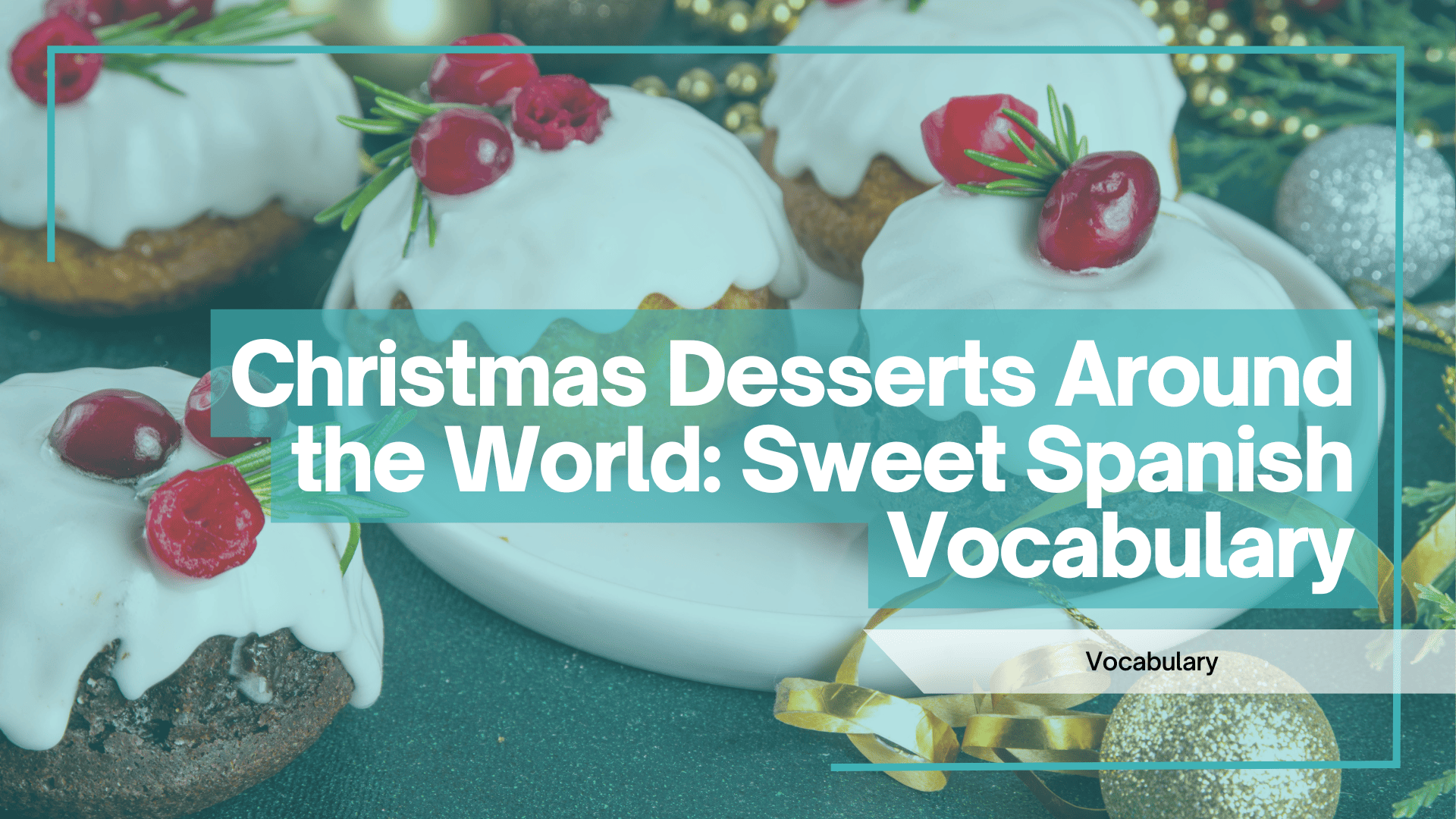

Why So Many Latin American Desserts Are Served Warm (and Why Kids Love That)
Warm desserts aren’t an accident; they’re cultural. If you’ve ever watched your child cradle a bowl of arroz con leche or sip atole slowly, you already know this isn’t just about food. Something else is happening in that moment. Comfort settles in. Conversation stretches out. Language softens. For families raising children with Spanish as a lived language, warm desserts often feel familiar...Read More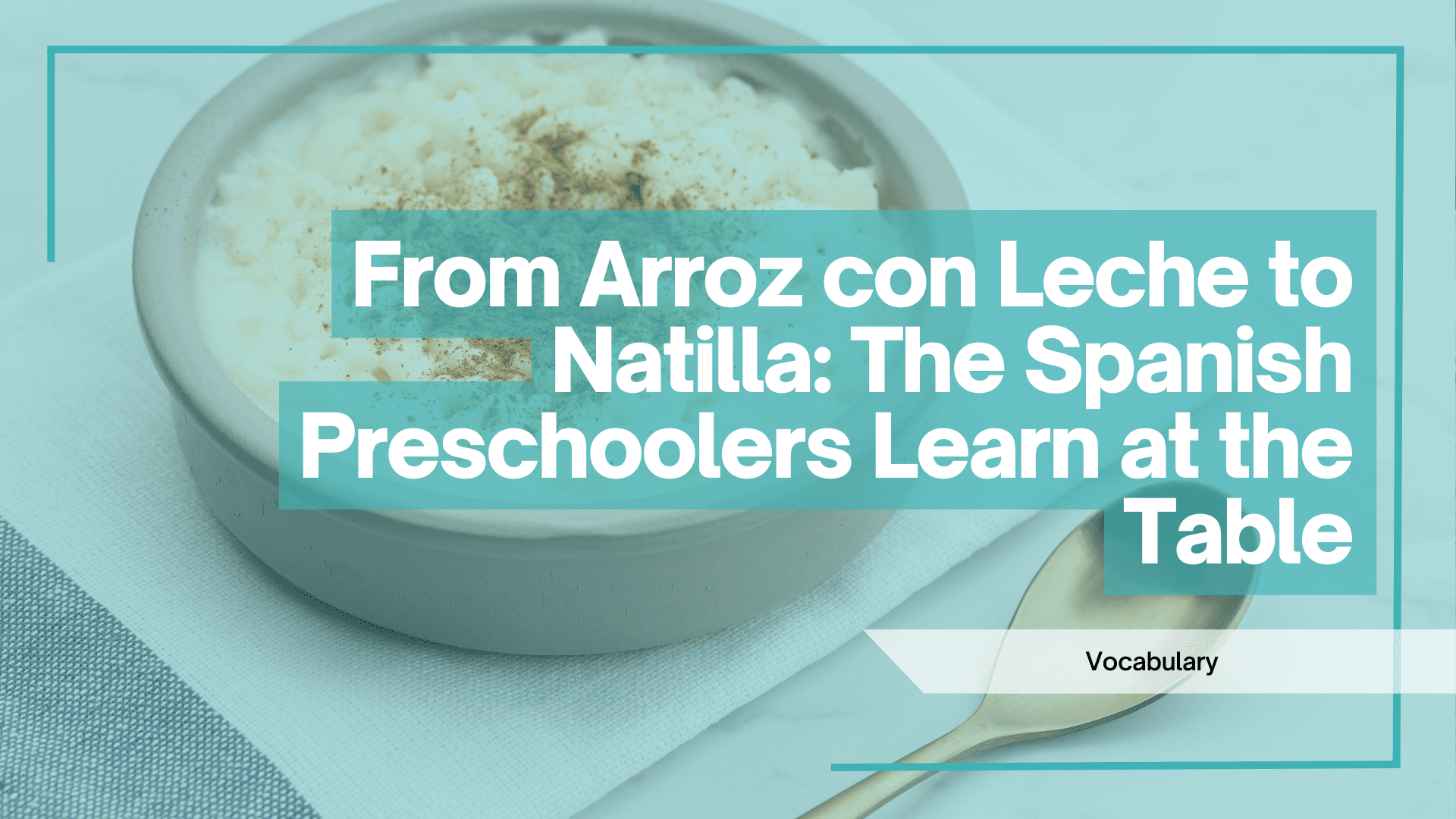
From Arroz con Leche to Natilla: The Spanish Preschoolers Learn at the Table
Some of the most advanced Spanish your child hears doesn’t happen in class—it happens at dessert. It happens when the spoon pauses mid-air, when someone asks for “un poquito más,” or when a preschooler tries to explain why natilla is thicker than arroz con leche. These moments may feel ordinary, but linguistically, they’re anything but simple. If you’re raising a child with strong Spanish...Read More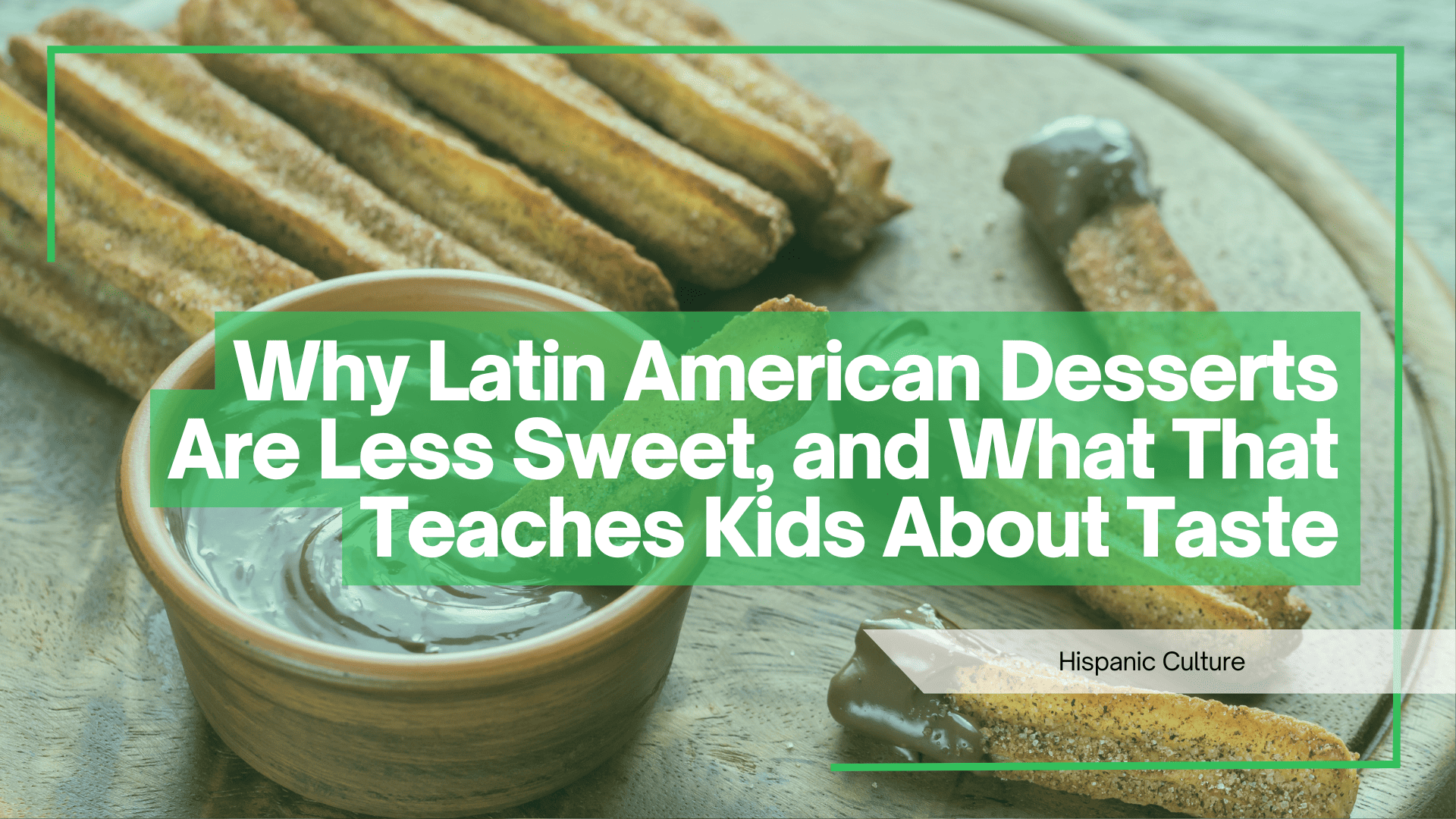
Why Some Latin American Desserts Are Less Sweet, and What That Teaches Kids About Taste
Not all desserts are meant to be sugary, and that’s intentional. If you’ve ever watched your child happily eat arroz con leche without asking for sprinkles, or enjoy a warm slice of capirotada without missing frosting, you may have noticed something interesting: their sense of taste is being shaped by culture. And that’s a very good thing. As a parent raising a child with strong...Read More