
15 Fascinating Facts About the Yucatan Peninsula
The Yucatan Peninsula, or La Península de Yucatán in Spanish, is one of the most amazing places to visit and tour around in Latin America. As you may know, a península or peninsula in English, is “an area of land almost completely surrounded by water except for an isthmus connecting it with the mainland.” The Yucatan peninsula is located in southeastern Mexico and it serves as a way...Read More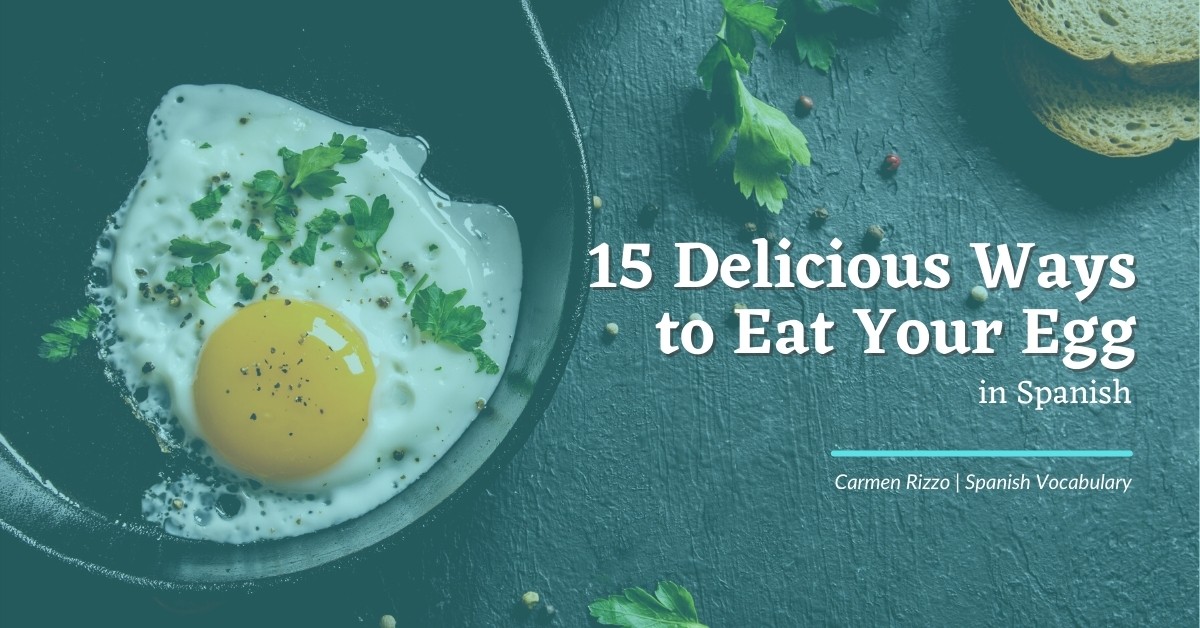
15 Delicious Ways to Eat Your Egg in Spanish
El huevo, or egg in Spanish, is one of the most versatile and complete foods a human can eat. You can eat eggs for breakfast, dinner, and even lunch! And most of the time, preparing eggs is not time consuming at all. Eggs are amazing. The whites, called claras in Spanish and the yolks, or yemas in Spanish, are rich in nutrients, proteins, vitamins and minerals. Also, the yolk contains...Read More
How to Discuss Your Health in Spanish
If you plan to travel or live in any Spanish-speaking country, it’s important to know how to talk about your health in Spanish—not only for your own safety but for those around you, too! The topic of health is present in everyday, casual conversations, as well as in more serious ones, like when you apply for a job, or fill a travel form, or have a doctor’s appointment. ...Read More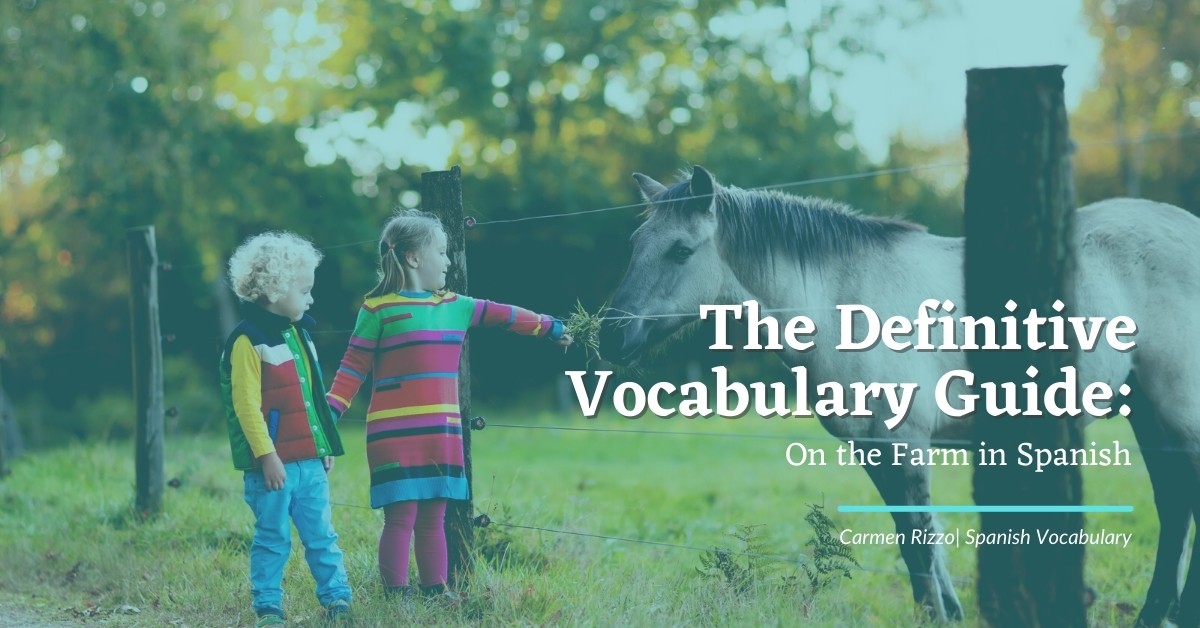
The Definitive Vocabulary Guide: On the Farm in Spanish
La granja, or farm in Spanish, is one of the first topics that Spanish students (both native speakers and second language learners!) learn about. It’s a fun and easy way to practice useful Spanish vocabulary! The farm is the perfect topic to learn new vocabulary, because you can learn about a variety of topics, like animals, plants, vegetables, fruits, and even machines! ...Read More
When to Use ‘Más Que’ and ‘Más De’ in Spanish
Although más que and más de sound alike, their meanings are completely different. Más in Spanish is a word that can be used as an adjective or an adverb to compare two or more objects, subjects, or situations. On the other hand, que—without an accent mark—is a relative pronoun used to introduce a clause. And finally, de is a preposition that indicates (in the context of this...Read More