How to Talk About Garbage, Waste, and What’s in Your Trash Can in Spanish
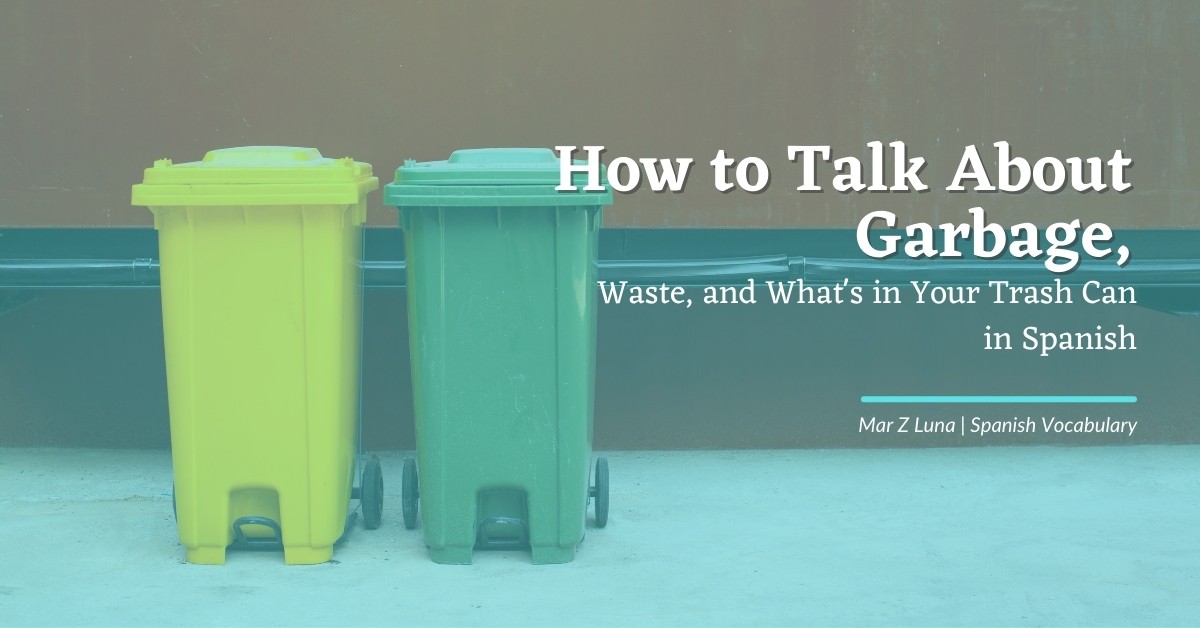
Do you know how to discuss what’s in your trash can in Spanish? What about the word “trash can” itself? Believe it or not, there are more ways than one to say this word! El bote de basura might be one of the most common terms you’ll find in most Latin American countries. Others are la basura, la papelera, el cubo de basura and el zafacón. Which of these words meaning “trash can” in...Read More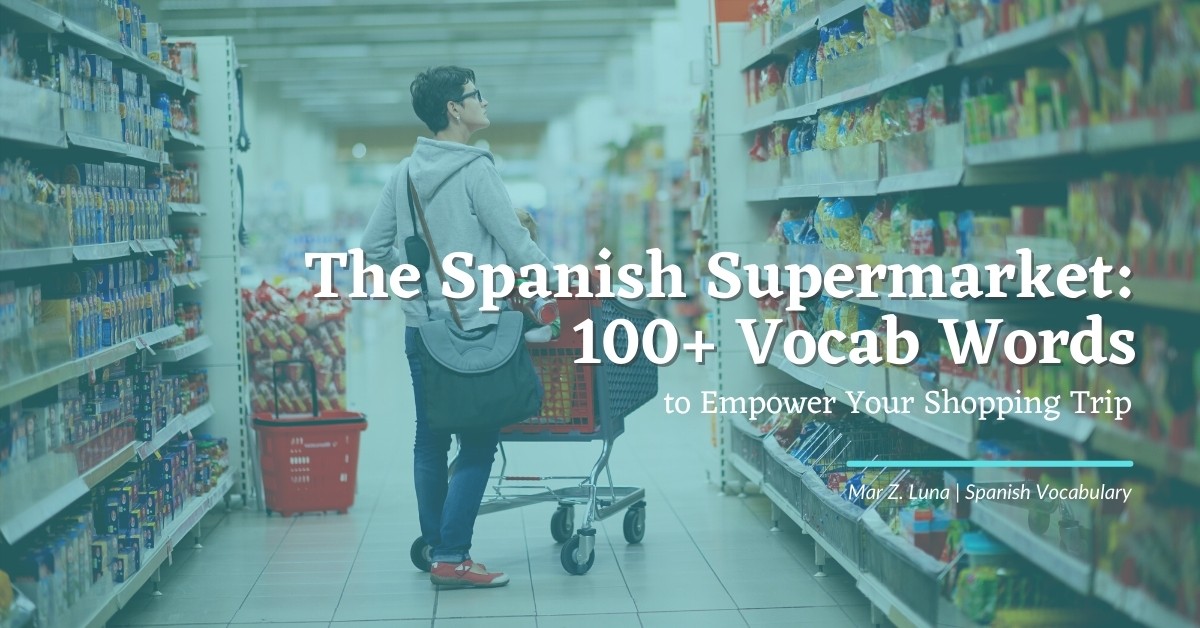
The Spanish Supermarket: 100+ Vocabulary Words to Empower Your Shopping Trip
When you travel abroad to a Spanish-speaking country, you’ll definitely do some shopping and will likely go to a Spanish supermarket to buy food. It’s a wonderful way to practice your language skills! You’ll certainly need to know the words for basic supplies such as food, hygiene products, medicine, beverages, and more in Spanish. Learn how to say what you want and the proper ways to ask...Read More
Your Go-to Vocab List for School Supplies in Spanish
When you think of school supplies in Spanish, which ones come to mind first? I remember always loving to buy many different colors of pens and different sizes of notebooks. I loved stickers and personalizing all my things! Going back to school meant getting cool new tools to use in the learning process. School supplies are essential for kids, as well as adults, because it’s important...Read More
11 Nicaraguan Slang Words for Everyday Use
Nicaraguan slang is highly creative and inventive. Picking up a few of these words allows you to communicate like a native speaker and blend in with the Nicas (Nicaraguans)! The Spanish language is diverse and changes as you move from country to country. Spanish slang allows you to express yourself in multiple situations using unique words you never imagined or won’t understand...Read More
A Complete Vocab Guide to Yoga in Spanish
Have you ever practiced yoga in Spanish? Amazingly, just 15 minutes of yoga a day can start changing your brain chemistry and improving your mood! Plus, as a Spanish learner, taking a yoga class (in person or online) in Spanish is a great way to practice the language. The practice of yoga originated in ancient India. Its spiritual, moral, and physical dimensions relate to...Read More
For Here or to Go? How to Order Food in Spanish
Knowing how to order food in Spanish is not only a fantastic way for you to advance your conversational skills, but it also improves your fluency and allows you to prove your confidence in the language. Plus, learning vocabulary related to food takes you a long way when visiting a restaurant in a Spanish-speaking country. Keep reading for a fun lesson on vocabulary and common phrases...Read More
‘Anoche’ in Spanish and Other Useful Spanish Terms for the Past
Anoche in Spanish translates in English to “last night” or “yesterday evening.” But what about antes de anoche? And does la noche pasada really exist? In this blog post, you’ll learn all about how to talk about anoche in Spanish along with other time-related phrases that point to both specific and general moments in the past. To help boost your grammar skills in describing...Read More
The Periodic Table in Spanish: Let’s Learn About The Elements
Knowing about the periodic table in Spanish is useful even if you’re not in the field of chemistry. Why? We use and interact with many elements on a daily basis, in our jewelry, medication, house maintenance, and even our food. Chemistry is everywhere! From the moment you wake up, there are already numerous chemical reactions happening in your brain and body. Having breakfast,...Read More
De Vacaciones: How to Talk About Your Vacation in Spanish
Talking about your vacaciones in Spanish is entertaining, and it enables your friends and family to join you in those unique experiences and memories. So, how about practicing your Spanish in this fun and endearing way? In this blog post, I break down all the essentials you need to master talking about your vacaciones in Spanish like a native speaker. Pack your bags, and...Read More