
Bilingual Champs: The Most Popular Sports in Latin America
If your teen lights up when talking about their favorite sport, here’s a fun idea: let Spanish learning meet game day. Sports aren’t just about competition; they’re about connection, teamwork, and passion. And in Latin America, that passion runs deep. Whether it’s cheering for el fútbol in Mexico or playing béisbol in the Dominican Republic, sports bring people and cultures together. And...Read More
Little Explorers: Hiking and Camping Words in Spanish
There’s something magical about watching your child’s eyes light up when they spot a bird, find a smooth rock, or peek into a tent for the first time. As a mom who loves mixing adventure with learning, I’ve found that even the smallest nature outing can double as a Spanish lesson. Whether you’re planning a weekend hike, a backyard campout, or simply exploring the park, this is your chance to...Read More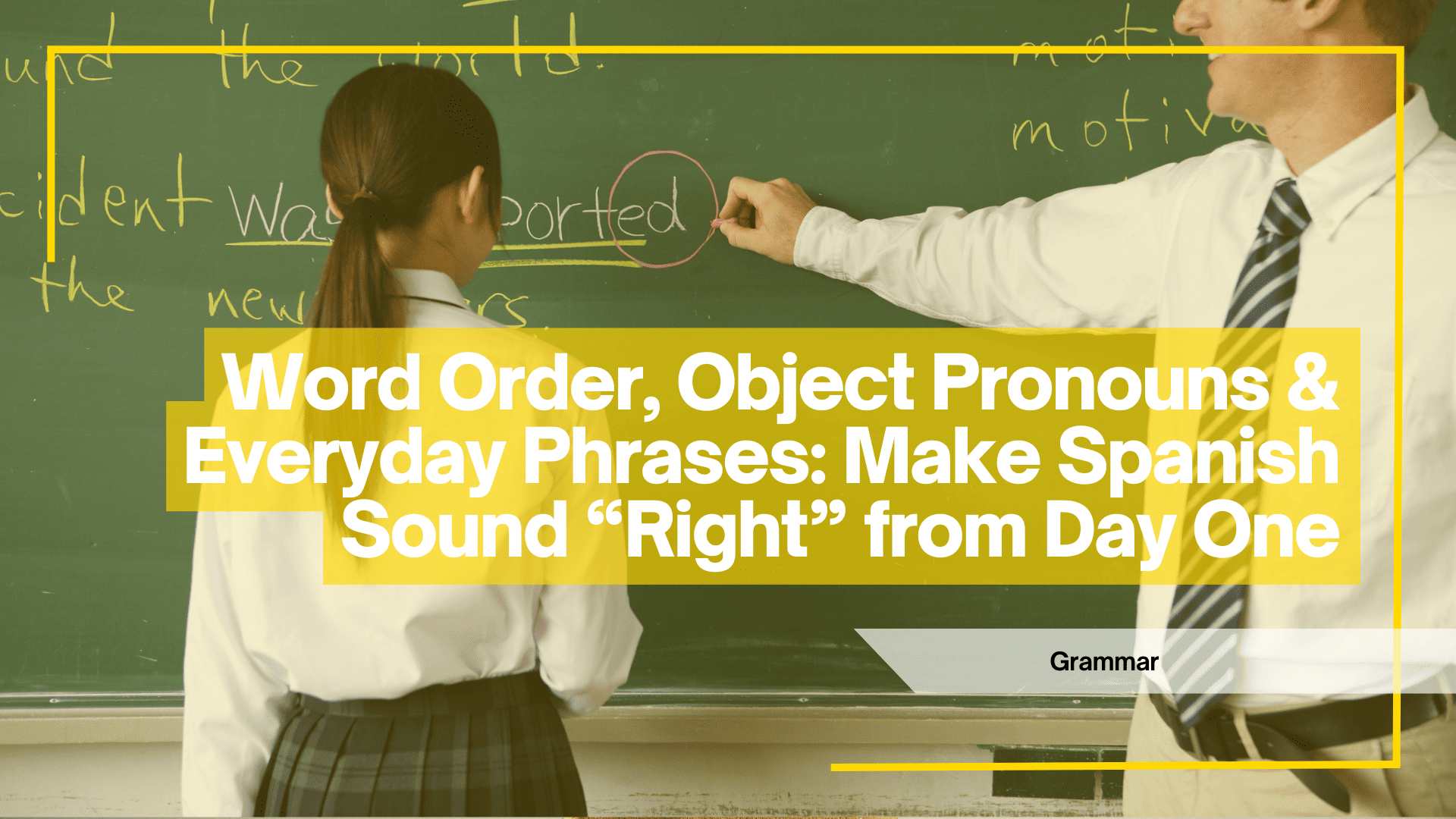
Word Order, Object Pronouns & Everyday Phrases: Make Spanish Sound “Right” from Day One
If you’ve ever tried to speak Spanish with your kids and thought, “Wait—why do they say it that way?”, you’re not alone. One of the biggest hurdles for English speakers learning Spanish is word order. We naturally try to translate word-for-word—“I give her a hug” becomes Yo doy ella un abrazo—but that’s not quite right in Spanish. The good news? Once you understand how Spanish sentences...Read More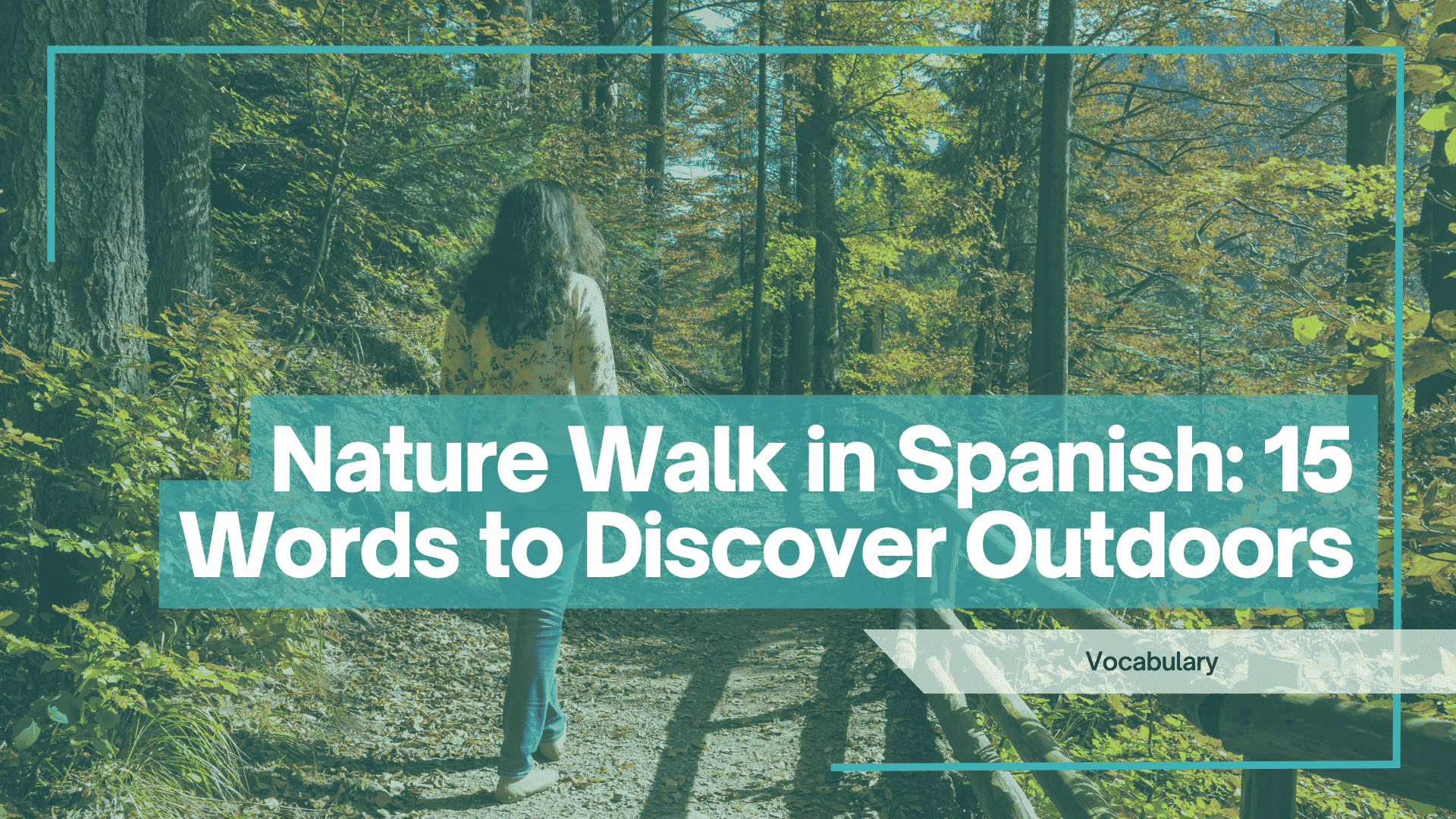
Nature Walk in Spanish: 15 Words to Discover Outdoors
If you’re like me, you’ve probably realized that your preschooler doesn’t need a classroom to start learning Spanish, just a little curiosity and the great outdoors. Whether you’re strolling through your neighborhood, visiting a park, or exploring your own backyard, nature offers endless opportunities to introduce new words in a way that feels natural, not forced. According to the Children...Read More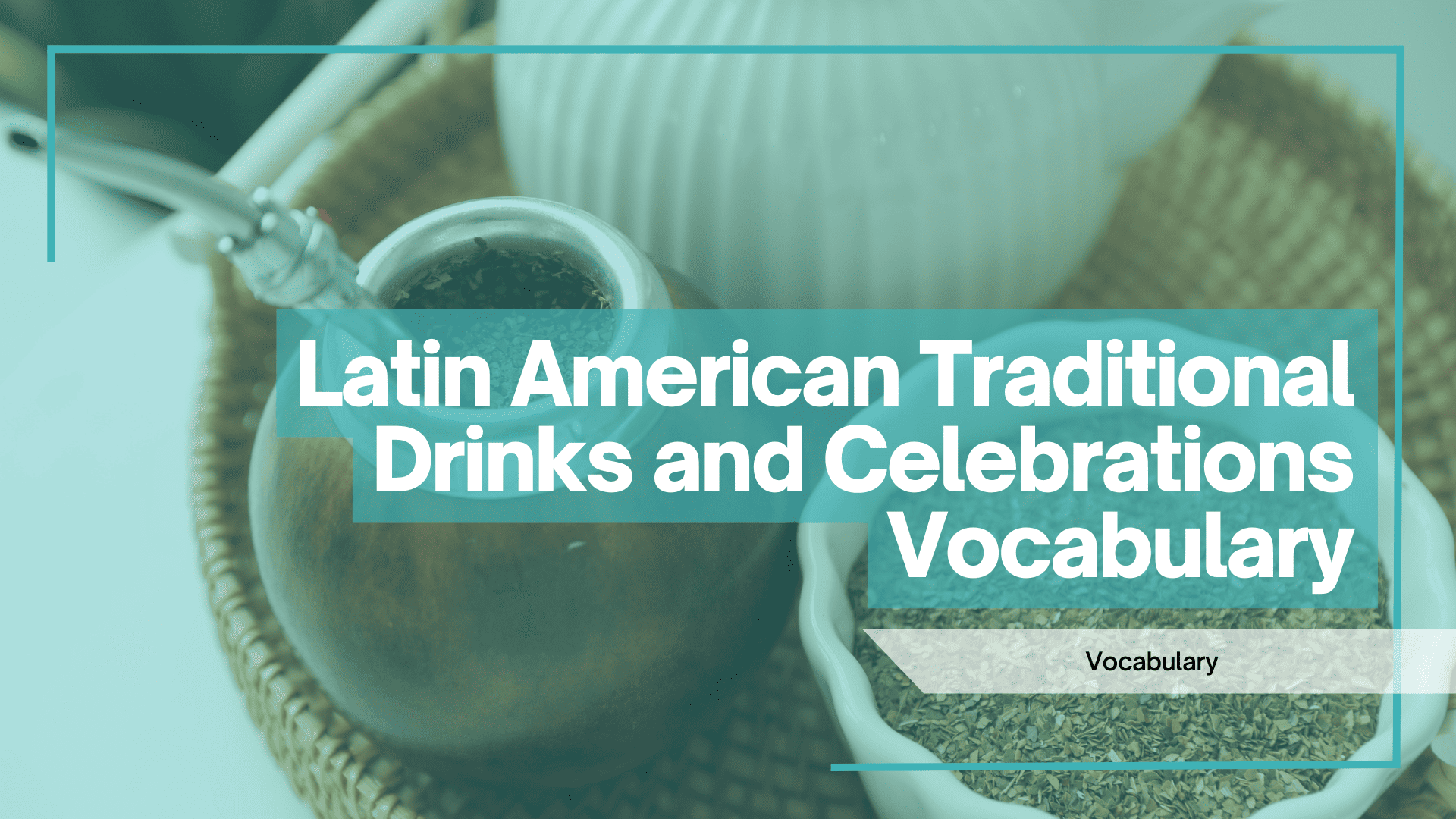
Latin American Traditional Drinks and Celebrations
If you’ve ever wondered how to make Spanish lessons feel less like homework and more like real life, the answer might be celebrations and drinks! From Mexico’s aguas frescas to Argentina’s mate, Latin America’s beverages tell the story of culture, family, and tradition. For learners like your teen, these words aren’t just vocabulary; they’re the bridge between classroom Spanish and...Read More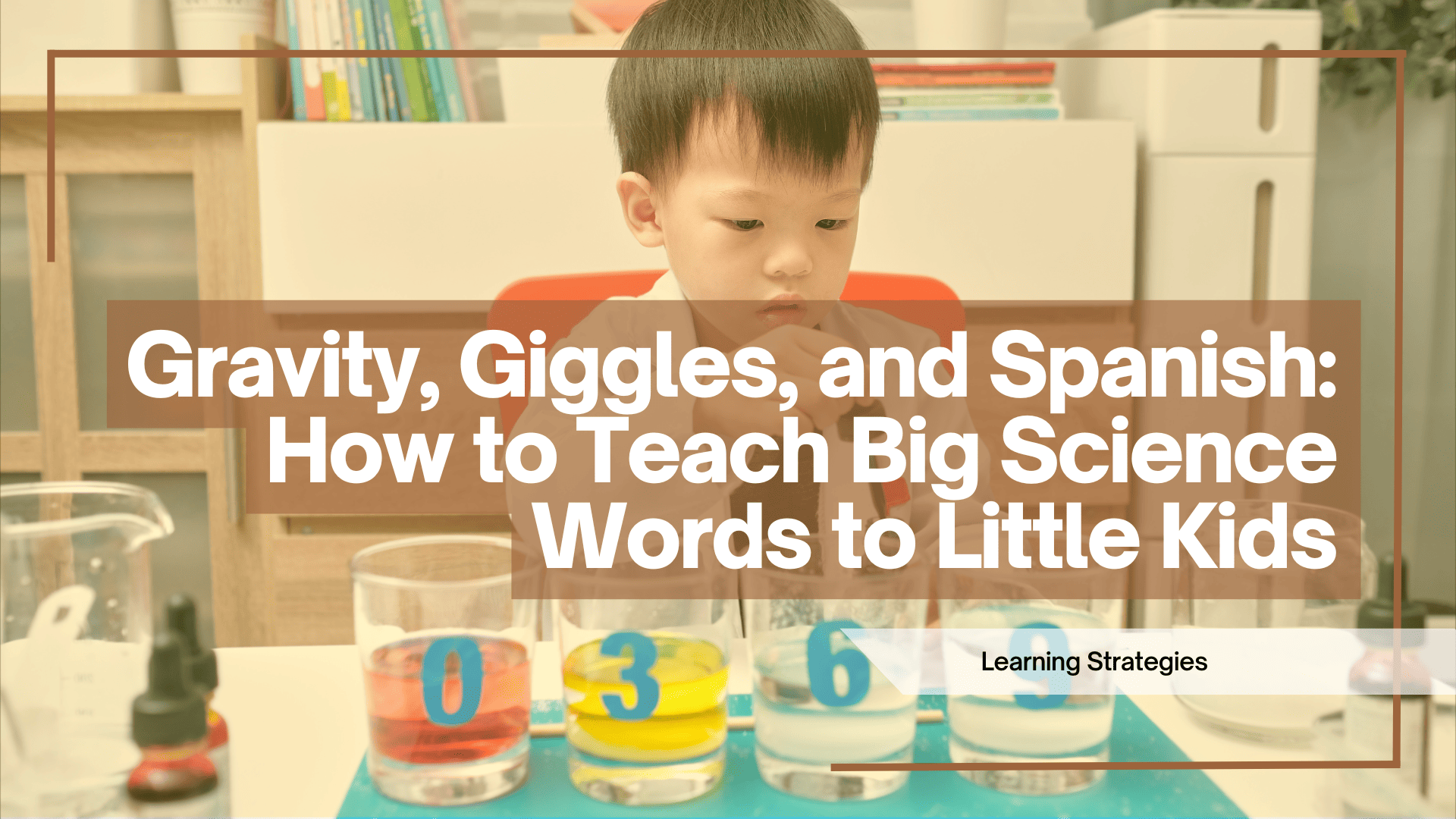
Gravity, Giggles, and Spanish: How to Teach Big Science Words to Little Kids
If you’ve ever watched your child drop a toy just to see it fall again, you’ve already witnessed their first physics experiment. Preschoolers are natural scientists—curious, hands-on, and full of questions. What if you could channel that same curiosity to build their Spanish vocabulary too? You don’t have to be a bilingual physicist to do it. With a few playful examples and short bilingual...Read More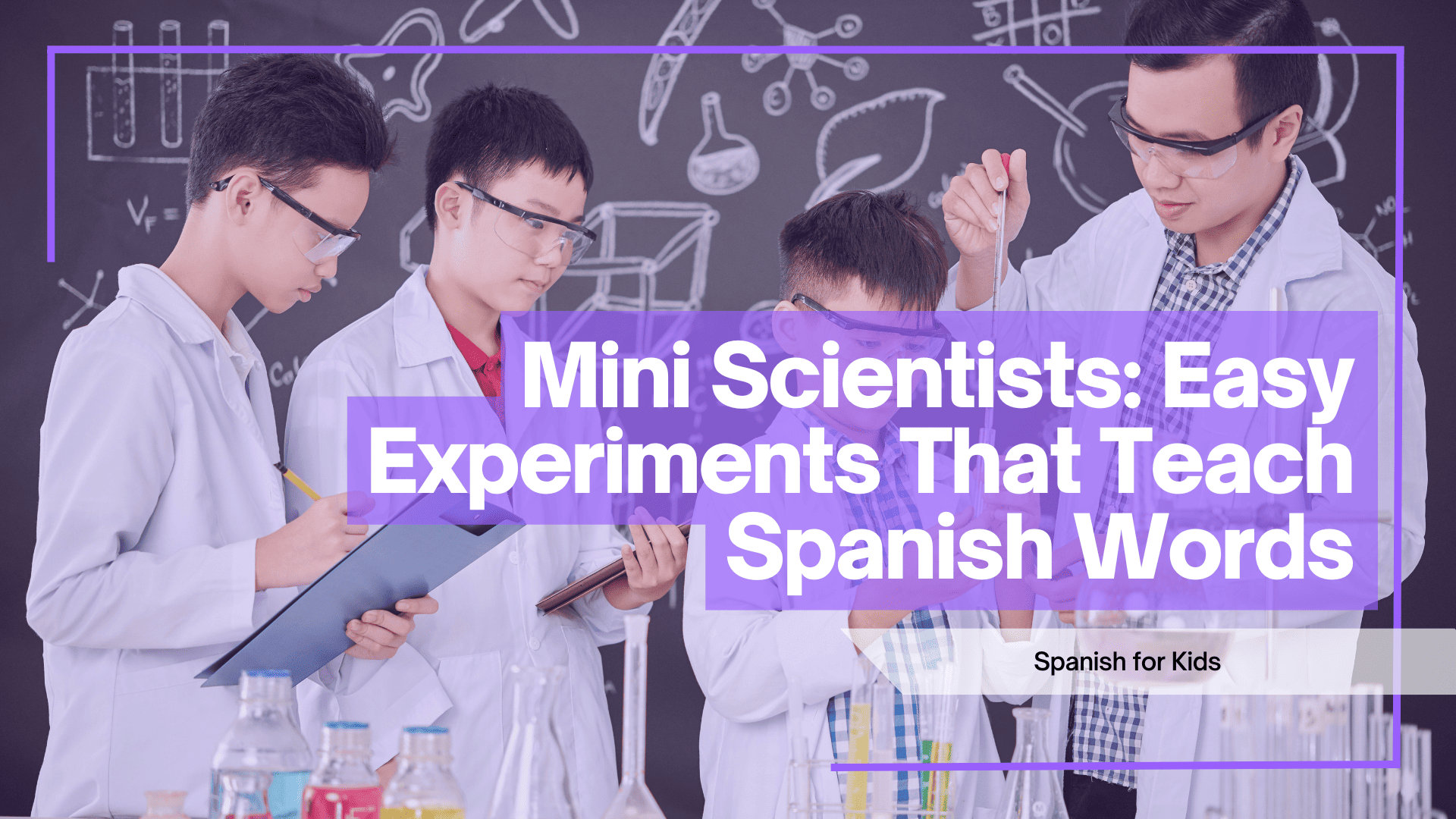
Mini Scientists en Español: Easy Experiments That Teach Spanish Words
If your preschooler loves mixing, pouring, and making a bubbly mess, you’re in for a treat. Science experiments aren’t just exciting; they’re one of the most natural ways for kids to learn language. When children connect words to actions—like “mezclar” (to mix) or “burbuja” (bubble)—Spanish becomes meaningful and unforgettable. According to the National Association for the Education of...Read More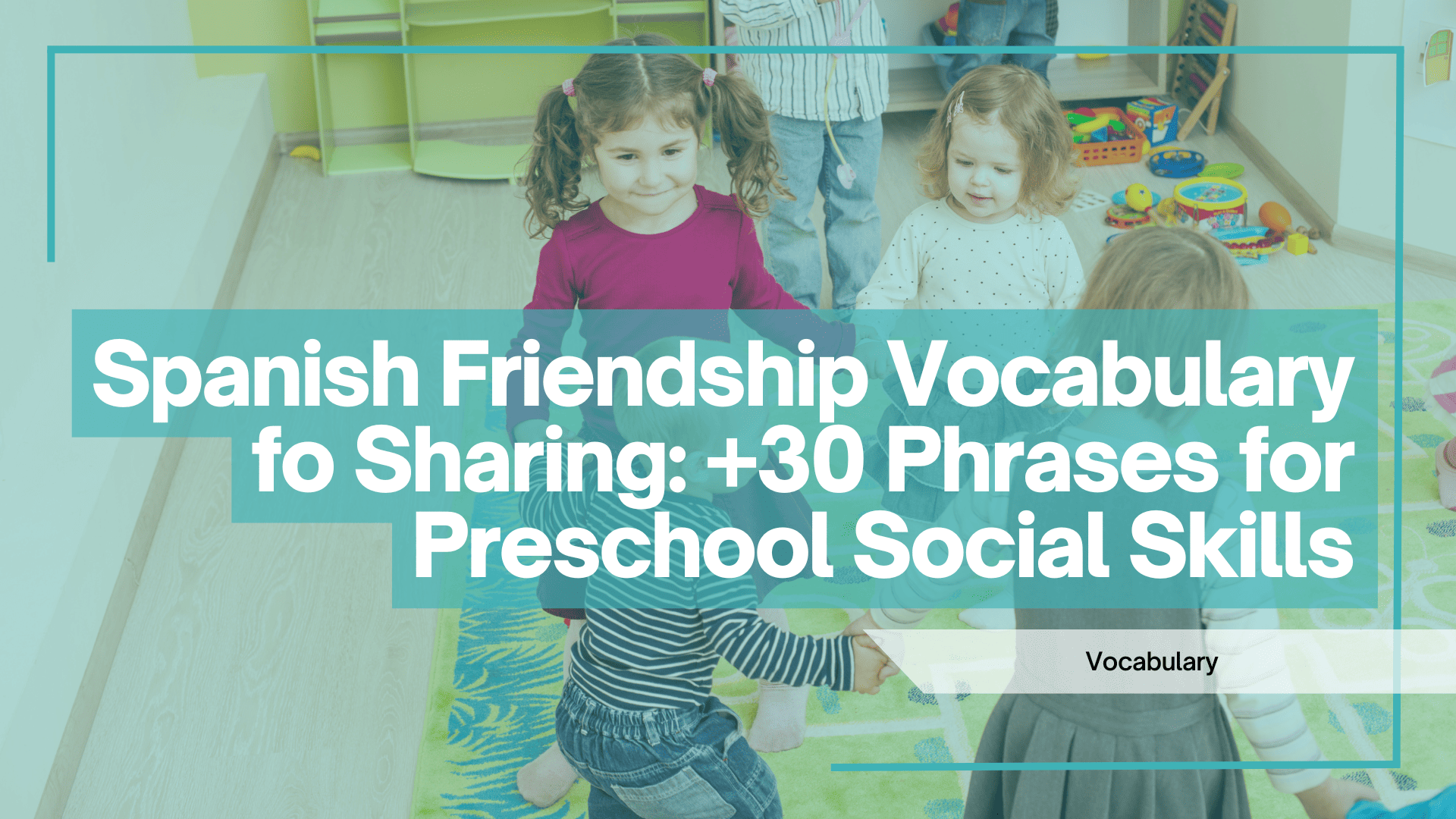
Spanish Friendship Vocabulary fo Sharing: +30 Phrases for Preschool Social Skills
When two toddlers sit side by side in a paired class, something magical happens. Between giggles, new words, and shared toys, they’re not only learning a new language—they’re learning how to be kind, patient, and connected. Spanish becomes the bridge for social growth. If you’ve ever wished your preschooler could learn Spanish and develop better sharing habits, this is your sweet spot....Read More
How Do We Use Articles in Spanish? A Preschool-Friendly Guide
When your preschooler says “El perro corre” (“The dog runs”) instead of just “Perro corre,” you know something special is happening—your child is starting to think in Spanish. Learning articles (tiny words like el, la, los, las) is a big step toward natural fluency because they make sentences sound complete and correct. For parents who want their kids to speak Spanish, not just memorize...Read More