

How to Complain in Spanish
Can you think of a situation where you may need to complain in Spanish? I can think of many: at the airport of a Spanish-speaking city, after buying a product from a Spanish-speaking online shop, or after a terrible dinner at a Mexican restaurant—just to name a few. Complaining is a basic tool for communicating with others to express what you want and hopefully get it. ...Read More
How to Use Commas in Spanish
What’s the difference between these two sentences? Vamos a comer niños. Vamos a comer, niños. Yes, the comma makes all the difference! The first sentence is a cannibal’s confession: “We’re going to eat kids.” The second one could be said by a mom, just before lunch: “Let’s eat, kids.” Without commas and periods, our writing would seem like one single flow of...Read More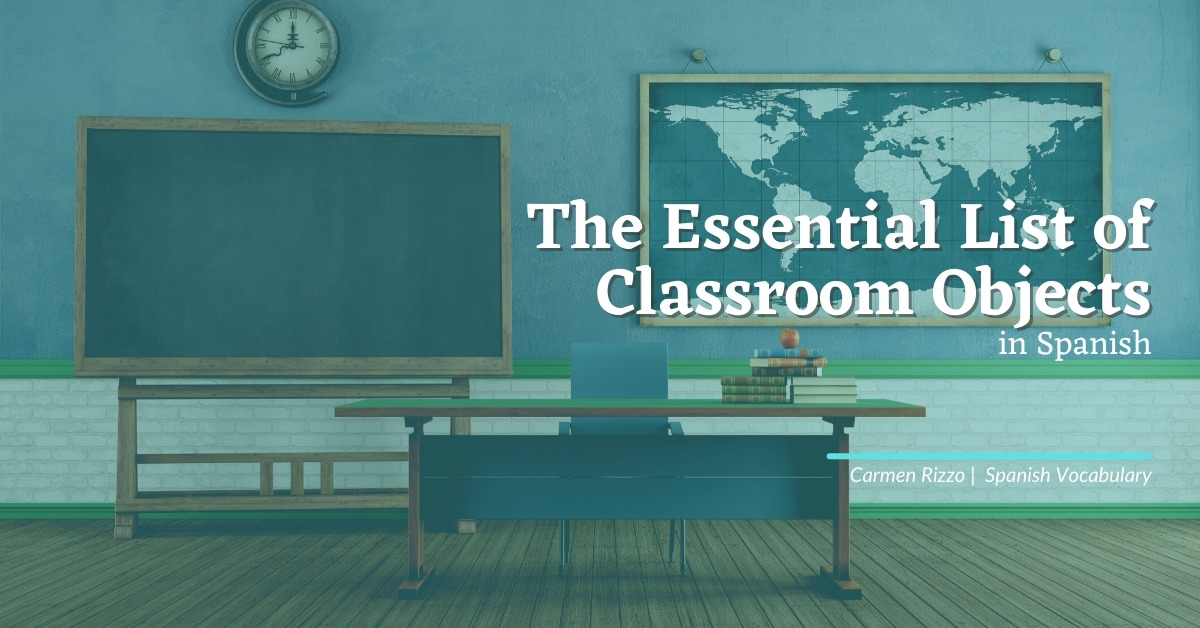
The Essential List of Classroom Objects in Spanish
Students interact with classroom objects every day at school. That’s why it’s useful for them to learn the names of all those items in Spanish. Now, if you or your kids are learning Spanish or plan to study abroad in a Spanish-speaking country, it’s a great idea to learn all the names of classroom objects in Spanish. The goal of this blog post is to help you learn about everyday objects in...Read More
Miau! The Ultimate Vocabulary Guide to Your Cat in Spanish
If you’re a cat lover who’s learning Spanish, you probably want to gush about your cat in Spanish. Honestly, it’s completely understandable considering how cute and amazing cats are! As cat lovers, the first thing we do when meeting people is ask them: ¿Tienes gato?Do you have a cat? or ¿Te gustan los gatos?Do you like cats? Cats are the “purrfect” companions. They’re...Read More
A Vocabulary Guide: Going Camping in Spanish
How would you answer if a friend asked you: ¿Quieres ir a acampar?Do you want to go camping? If you’re interested in learning Spanish vocabulary about camping, then you’d probably already have a go-bag and a camping tent ready and tell your friend ¡Sí, vamos! (yes, let’s go!). Camping (or acampar in Spanish) is a super fun activity to do with friends, family or even...Read More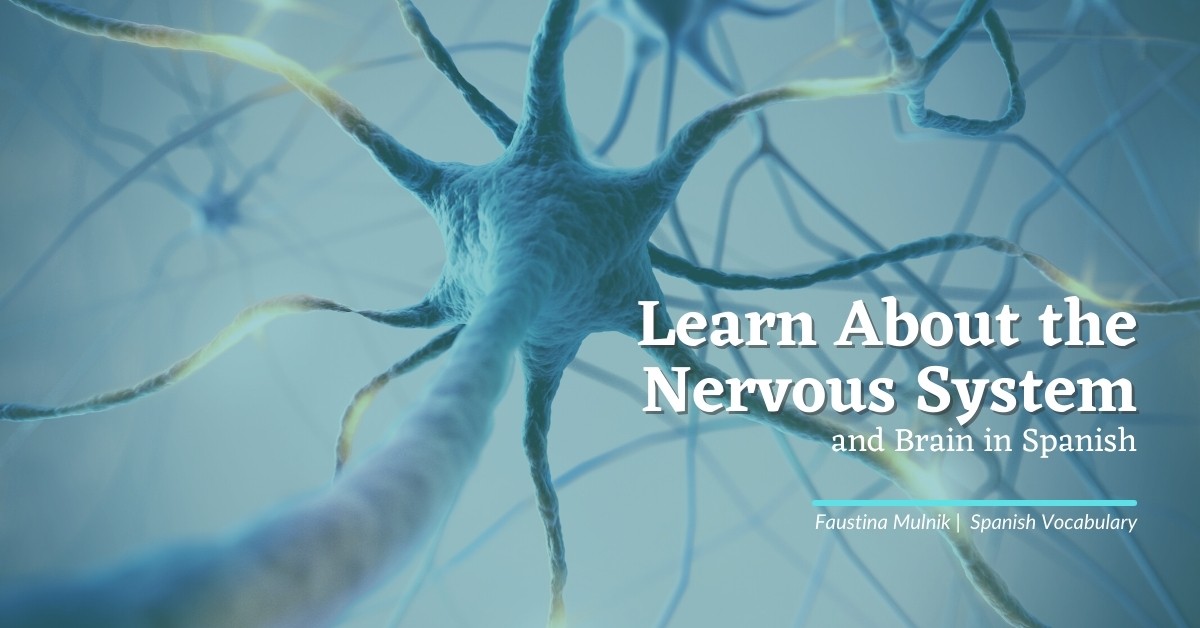
Learn About the Nervous System and Brain in Spanish
Whether you want to watch Grey’s Anatomy in Spanish or discuss psychology with a friend from Latin America, knowing the nervous system and parts of the brain in Spanish will come in handy! Improve Your Spanish Communication Skills! As a Spanish learner, new vocabulary is a constant process. Keep improving and building your language skills with these key medical words and...Read More
7 Cases When Not to Use Articles in Spanish
If you’re a high beginner or intermediate Spanish learner, you may already be familiar with articles in Spanish. Perhaps you’ve heard that articles in Spanish accompany nouns most of the time and help to define their gender and number. Maybe you even know when to use them, and which kind of articles in Spanish you should use according to the different situations that may arise. But,...Read More
How to Use the Verb ‘Averiguar’ in Spanish
Have you read the poem Agua del recuerdo by a cuban poet Nicolás Guillén? Check out a snippet of the poem and pay attention to the word averiguar! (…)Nada sé nada se sabeNi nada sabré jamásNada han dicho los periódicosNada pude averiguarDe aquella mulata de oro Que una vez miré al pasar,(..) (…)I know nothing is knownAnd I will never know anythingNothing has been said in...Read More
All You Need to Know About Argentine Spanish
Do you want to learn Argentine Spanish before visiting the birthplace of tango? This lesson on Argentinian Spanish will show you how distinctive, fun, and colorful their forms of speech can be. Looking for more reasons to learn Argentine Spanish? Phonetically, it is the most distinctive Spanish from the world due to its Italian melody. Italian immigrants that landed in Argentina...Read More