
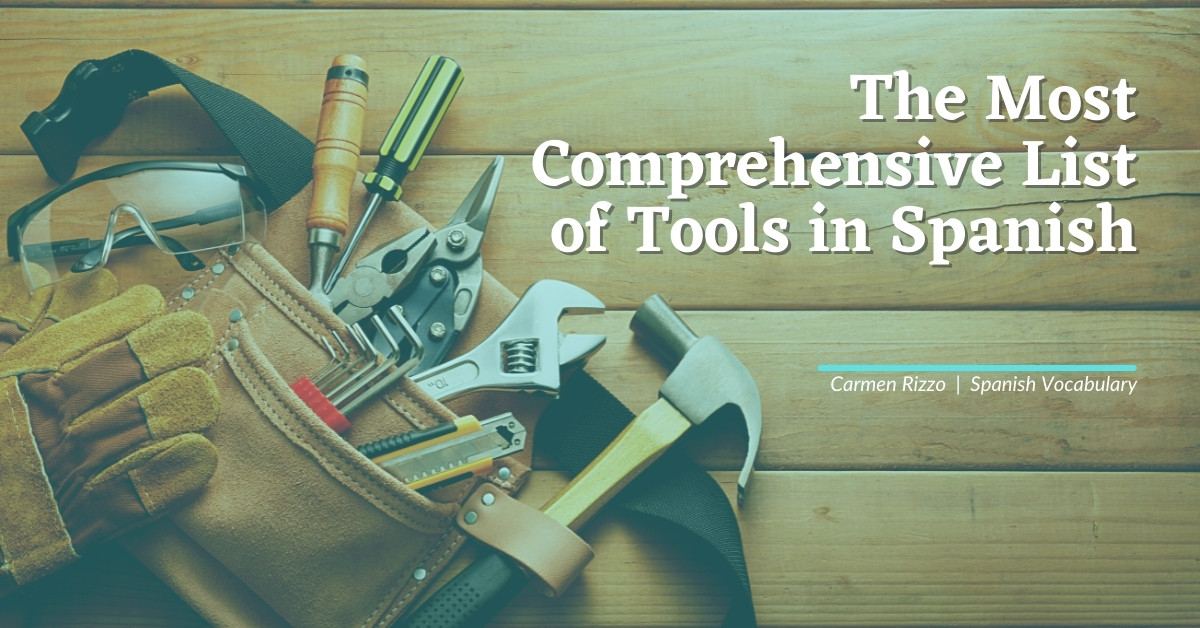
The Most Comprehensive List of Tools in Spanish
Las herramientas — tools in Spanish — are objects you use to fix things or otherwise modify the environment. The official definition of a tool is a device or implement, especially one held in the hand and used to carry out a particular function. The word herramientas comes from the latin ferramentum, which is a combination of the words ferrum (hierro or iron) and mentum (instrument). So,...Read More
A Handy Spanish Vocabulary Guide for Police Officers
Two of the first American cities to employ police officers (called “watchmen” originally) were Boston in 1631 and New York City in 1647. Since the U.S. became an independent country in 1776, its population and cities have grown exponentially. Sadly crime has grown as well, but thankfully police forces have done so as well. At this point in history, nearly 13% of the U.S....Read More
A Vocabulary Guide to Describing Flavors and Tastes in Spanish
Are you ready to savor this lesson about tastes in Spanish? Knowing how to describe tastes in your new target language is not only helpful for your upcoming trip to a Spanish-speaking country, or for your Spanish final next week, but it will also come in handy in regular written and spoken conversations with your friends and peers. Although flavor mixes are infinite, they...Read More
10 Types of Stores and Their Names in Spanish
For thousands of years, buying things has been part of our everyday life, and different types of stores help us to obtain what we need and want! Part of visiting a different country is exploring its businesses and stores in search of gifts and souvenirs. And sometimes you’re looking for familiar names but don’t know the name of a specific store in Spanish. Keep reading to learn...Read More
Stages of Life in Spanish: Vocabulary and Timeline
Life is made of different stages that are full of changes and unique experiences. Knowing the stages of life in Spanish is ideal for addressing those who surround you according to their age, experience, and understanding of things. Being able to describe the stages of life in Spanish also helps you communicate with more people and share anecdotes, misfortunes, and discuss...Read More
Education Vocabulary in Spanish: Elementary, Secondary, and University
With the number of Spanish speakers on the rise—not only in the U.S. but also on the social networks and around the world—the benefits of speaking Spanish are boundless. Whether you’re a school teacher, a university professor, a student, or an avid life-long learner—like myself—, I guarantee you will find this school vocabulary in Spanish quite handy! When learning Spanish, knowing some...Read More
Texting in Spanish: Abbreviations and Translations
Your Spanish skills are higher than ever, but could you understand texting abbreviations? If you’re wondering what all those cryptic messages really mean, this detailed guide will make it clear! While you spend most of your time doing verb drills and practicing pronunciation, Spanish slang in the form of texting certainly adds a bit of entertainment to the mix. Before you have to ask...Read More
Learn the Spanish Days of the Week: Pronunciation and Memory Tricks
What’s the difference between martes and miércoles in Spanish? If you still struggle with this answer, then you are in the right place. The seven most common words in Spanish are—you guessed it!—the days of the week. Keep scrolling to learn how to pronounce the days and use them in sentences. If a boost in memory power is what you need, we share a proven technique for you to remember...Read More
Master the Spanish Alphabet: Letters, Sounds, and Songs for Everyone
The first step towards fluency in Spanish is learning the Spanish alphabet. The ABCs are the building blocks of language! In this guide, I use a detailed alphabet chart to show you how to pronounce each letter. I also go over the Spanish accent marks and their uses. At the end of the post, you can practice your new knowledge with some common example words and catchy alphabet...Read More