Teach the Spanish Months of the Year: June in Spanish
El mes de junio (June in Spanish) is the sixth month of the Gregorian and Julian calendar and has 30 days. June is a month full of summer celebrations and commemorations! Some experts say that the name June came from the latin “Iunius” and that name is a reference to two important figures in Roman history. The first one was Lucius Junius Brutus, the founder of the Roman Republic. The...Read More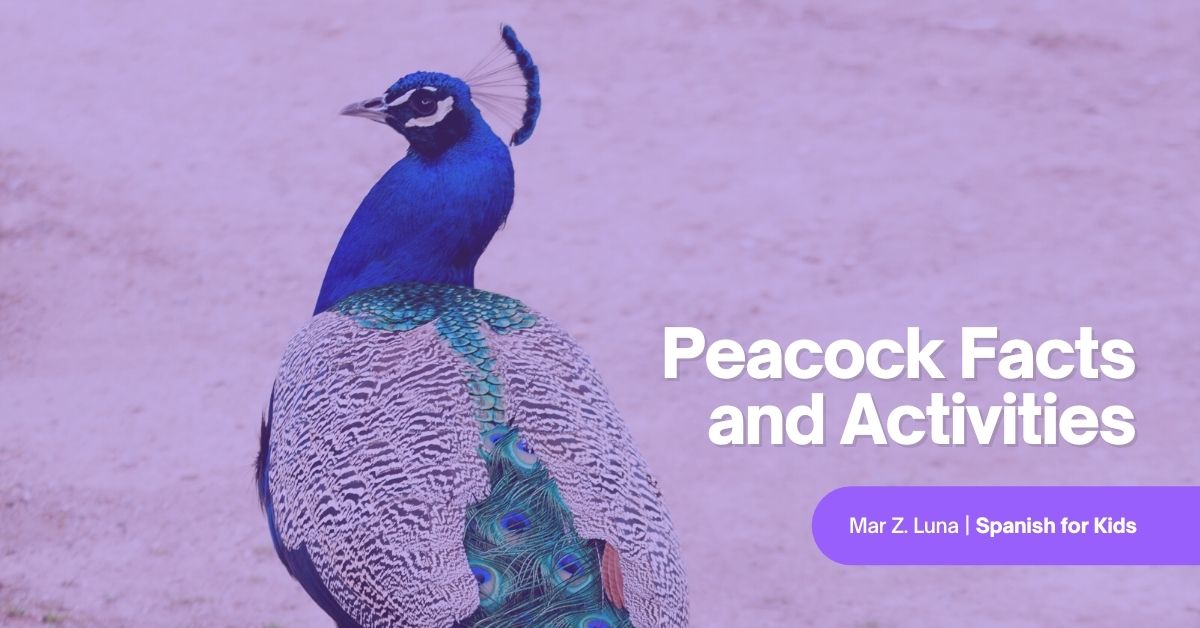
Peacock Facts and Activities (Free Spanish Lessons for Kids)
The peacock in Spanish is el pavo real. The pavo real is a large bird with unique feathers. In this lesson, you’ll learn cool facts about peacocks, where they live, and what they like to eat. Make your classes fun by teaching your students about this beautiful animal. It’s a great way to introduce animal and color vocabulary. It’s always fun to plan activities with animals so that kids...Read More
Teach Spanish Months of the Year: May in Spanish
El mes de mayo, or May in Spanish, is the fifth month of the year in the Julian and Gregorian calendars. May has 31 days and is practically the last spring month in the northern hemisphere, as well as the last of fall in the southern hemisphere. There are several theories on the origin of the name of the month of May. The first one states that May is a derivation of the name of the Roman...Read More
Teach the Spanish Months of the Year: April in Spanish
El mes de abril, or the month of April in Spanish, is the fourth month of the year in the Gregorian calendar. April has 30 days. The origin of the name abril is not certain. The name of this month comes from the Latin “Aprilis,” which some historians relate to the Latin verb for “to open.” Others say that the name comes from the word “Aphrilis,” in relation to the Greek name of...Read More
Teach Spanish Months of the Year: March in Spanish
Marzo, or March in Spanish, is the third month of the year full of changes, commemoration, and celebrations. The name of this month comes from the latin “Martius,” which was the first month of the old Roman calendar, named after the god Mars. In time, the name “Martius” evolved to March in English and marzo in Spanish. March is a month of seasonal transition, with the beginning of...Read More
Teach Spanish Months of the Year: February in Spanish
February in Spanish is febrero, and not only is it the second month of the year but also the shortest! During the time of the Romans there was a purification ritual called “februa,” which eventually evolved to February in English and febrero in Spanish. January and February were the last two months added to the Roman calendar by the second Roman King, Numa Pompilius, because...Read More
Teach the Spanish Months of The Year: January in Spanish
Enero, or January in Spanish, is the first month of the year in the Gregorian calendar, it has 31 days, and is the most important month for a lot of people! January comes from the Latin word “iānuārius,” in reference to the Roman god Janus, who represents several elements like doors and passages, and attributes like beginnings and endings. Janus is usually depicted with two faces to...Read More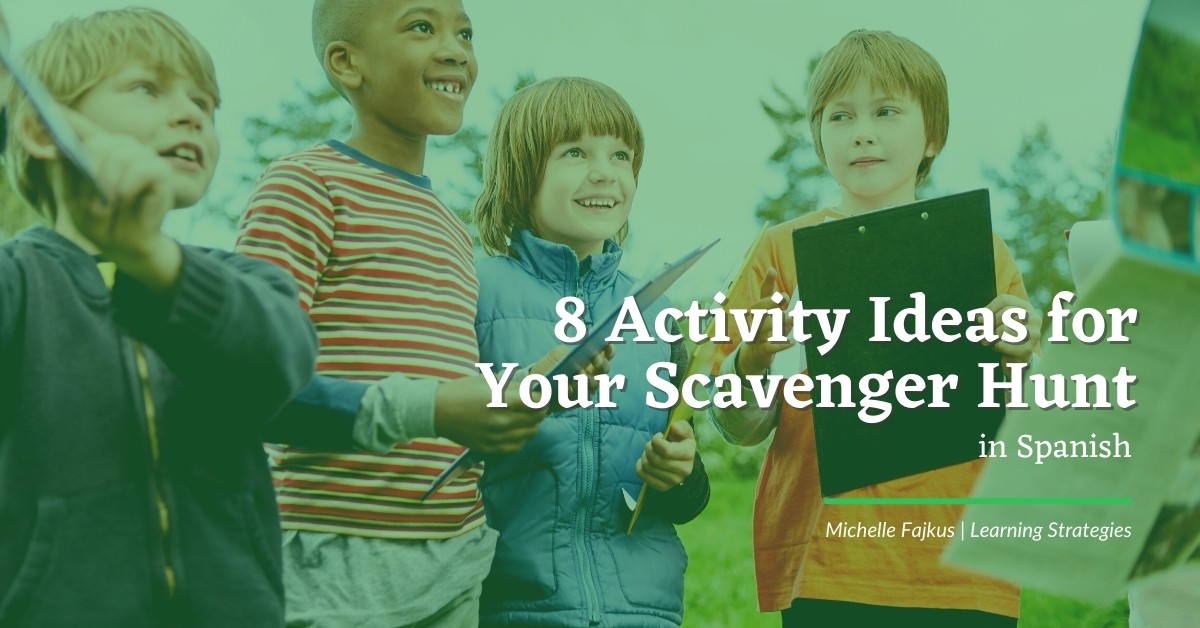
8 Activity Ideas for Your Scavenger Hunt in Spanish
Scavenger hunts in Spanish are a fun, unique, and simple way to review vocabulary words. Incorporating movement and real objects from around the classroom, house, or garden, a traditional scavenger hunt involves setting off to gather the items on a particular list. This activity— called la búsqueda del tesoro in Spanish—provides kids with a list of things they have to find. ...Read More
Feliz Día de los Niños! (Free Spanish Lessons for Kids)
El Día de los Niños is coming up on April 30! This is a day to focus on providing children with books in many languages and making reading an integral part of their lives. Read this article to learn about this celebration and how it concentrates on the importance of literacy for children of all linguistic and cultural backgrounds. I’ve included a list of Spanish vocabulary words and...Read More